


A new method for identifying drug candidates among metabolites of marine fungi
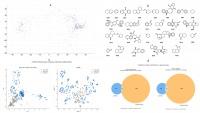
Our colleagues have proposed a new way to search for drug candidates for ER-positive breast cancer, which is one of the most common subtypes of this disease and whose growth depends on the presence of estrogen receptors (ER). The work is extremely important because breast cancer remains the leading incidence among women, and over time, many patients face resistance to hormone therapy, so new molecules and new mechanisms of action are needed. Scientists combined computer analysis of a large library of marine fungal metabolites with experiments on cancer cells and found several compounds whose toxic effect on these cells is actually associated with the estrogen receptor.
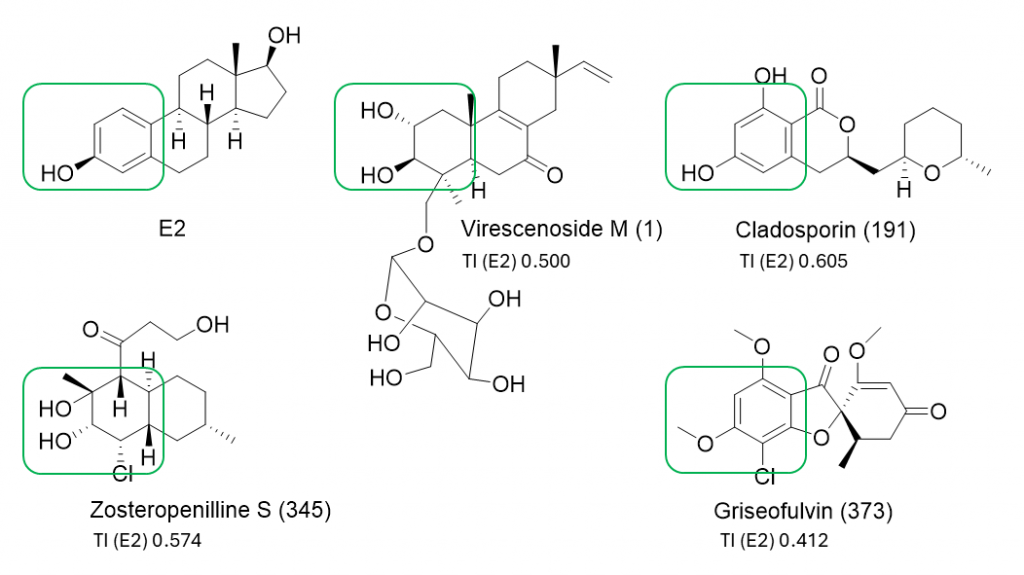
The study was based on a library of 461 low molecular weight compounds isolated from marine fungi in the Laboratory of Chemistry of Microbial Metabolites of the PIBOC FEB RAS for the entire duration of the laboratory. An analysis of the chemical space of the library and the structural diversity in comparison with approved drugs has shown that these compounds represent new chemotypes. The selection of likely candidates in silico was based on the calculation of the structural similarity of compounds with six known ER-ligands (natural and synthetic) and an additional filter using several online services for predicting biological activity. This allowed us to select the compounds that were most likely to bind to the ER.
The calculations were then tested in vitro on a culture of MCF-7 cells, which represent a classic model of human ER-positive breast cancer. The cells were treated with ompounds separately and together with ER-antagonist 4-hydroxytamoxifen. If the compound acts through the ER, the antagonist should attenuate its cytotoxic effect. This is exactly what happened for four compounds: virescenoside M, cladosporin, zosteropenillin S, and griseofulvin. This confirmed that their effect on the cancer cell viability is at least partly ER-dependent.
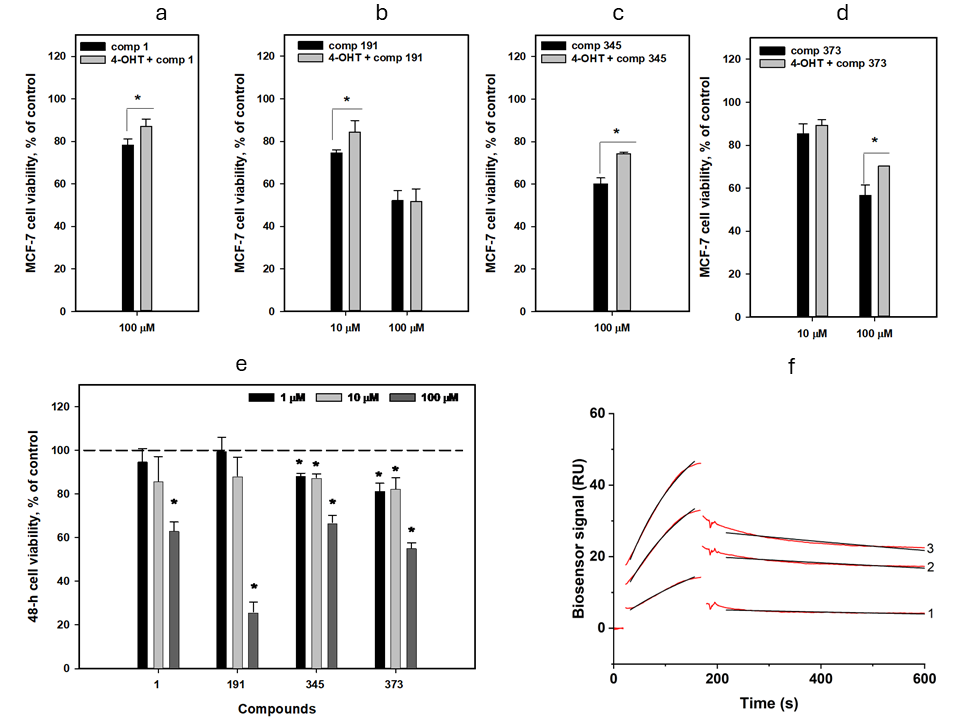
Of particular interest was the fact that griseofulvin, a long‒known antifungal drug, was among the selected candidates. Using surface plasmon resonance, scientists have confirmed that griseofulvin binds directly to ERa. Previously, the antitumor effect of griseofulvin was mainly associated with impaired microtubule dimerization, but new data indicate a possible ER-dependent mechanism.
The authors note that the proposed approach does not distinguish between estrogen receptor agonists and antagonists, and that the experiments were conducted using only a one cell line and focusing exclusively on ERα. Nevertheless, the study demonstrates that marine fungi and a large library of natural compounds may serve as a valuable source of novel ER-targeting antitumor compounds, and that griseofulvin warrants further investigation as a potential therapeutic agent for ER-positive breast cancer.
The results were published in the Journal of Computer-Aided Molecular Design.