


Compounds exhibiting cytotoxic activity against one of the most dangerous forms of breast cancer have been isolated from a sea cucumber
Scientists at the PIBOC FEB RAS have taken a significant step in the search for new anticancer drugs. Their focus was an unassuming inhabitant of cold waters ‒ the sea cucumber Ocnus glacialis, harvested from the seabed of the Chukchi Sea.
Researchers isolated two previously unknown substances from this invertebrate: glacialisosides A and B. These compounds belong to the class of triterpene glycosides ‒ natural toxins that sea cucumbers use to defend themselves against predators. However, it turns out these toxins can also benefit humans.
The most impressive property of these new substances is their selective cytotoxic activity against cancer cells. In experiments, the glycosides demonstrated high efficacy against several breast cancer cell lines, including the most dangerous and difficult-to-treat form: triple negative breast cancer (TNBC). This type of tumor is known for its aggressiveness and resistance to standard therapies.
However, another observation proved truly promising. Unlike cancer cells, normal breast cells (the MCF-10A line) showed resistance to the drug's effects. This implies that a potential drug based on glacialisosides could target the tumor specifically without causing serious harm to the body ‒ a critical requirement for any modern chemotherapy.
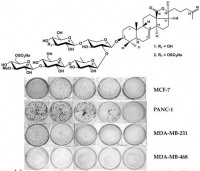
The scientists evaluated not only the immediate toxic effect but also the substance's ability to inhibit cancer cell proliferation over the long time. A colony-formation assay revealed that glacialisoside A could completely block cancer cell division at a concentration of just 1 µM. In other words, even a small amount of the substance deprives the tumor of the ability to grow and spread.
The researchers also discovered that the presence of a sulfate group within the molecule plays a key role in its efficacy. Moreover, the position of the sulfate group influences potency; its location on the terminal sugar of the molecule proved to be particularly significant.
This discovery positions the Arctic sea cucumber O. glacialis as a promising source for developing a new class of anti-tumor drugs. The next stage involves a more in-depth study of the mechanisms of action and preclinical trials. These substances could potentially form the basis for life-saving treatments for patients with aggressive forms of cancer.
The results have been published in the journal Marine Drugs.