


New compounds from a marine fungus protect cardiomyocytes and suppress infections
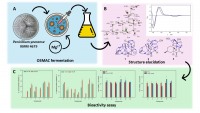
Our colleagues discovered a number of new biologically active compounds in the marine fungus Penicillium yezoense KMM 4679. The fungus was isolated from the rhizosphere of the seagrass Zostera marina, native to the Sea of Japan. To activate the microorganism's latent ability to synthesize useful compounds, the scientists used the OSMAC strategy ‒ they added magnesium chloride to the nutrient medium. It worked: the fungus extract contained 13 previously unknown compounds belong to the group of decalin polyketides, which were named zosteropenillins T-Z and their derivatives.
Three compounds ‒ zosteropenillins U, Y, and Z ‒ were of particular interest. They demonstrated high activity against Candida albicans biofilms, one of the main causes of hospital-acquired infections resistant to standard antifungal drugs. Furthermore, the substances were nontoxic to H9c2 cardiomyocytes.
Moreover, zosteropenillins U and Y demonstrated cardioprotective properties. In in vitro experiments, they increased the viability of cardiomyocytes during ischemia (nutrient deprivation) and reperfusion (restoration of blood flow). In addition, zosteropenillin Y was effective against hypoxic damage.
The authors suggest that the cardioprotective activity of zosteropenillins is related to the presence of a 3-hydroxy-1-oxopropyl substituent and a Δ12,13 double bond in their structure. In the future, the scientists are going to elucidate the precise molecular mechanisms underlying these effects.
The study opens up prospects for the development of new drugs ‒ both antifungal and those for protecting the heart during ischemic injury.
The results were published in the Marine Drugs.