


A new anticoagulant candidate from a starfish
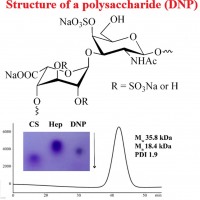
Our colleagues from the Marine Glycobiology Laboratory have discovered a new polysaccharide with pronounced anticoagulant activity in starfish. It could serve as the basis for more selective and potentially safer antithrombotic drugs.
The study is focused on finding an alternative to conventional anticoagulants, such as heparin, which are often too broad-spectrum and increase the risk of bleeding. The authors isolated the compound from the starfish Distolasterias nipon, collected in Peter the Great Bay in the Sea of Japan, and then studied its structure and effect on blood clotting and platelet aggregation.
The discovered polysaccharide was similar to dermatan sulfate, but had an unusual structure and an interesting functional profile: it was particularly effective in suppressing the thrombin-dependent stage of coagulation while selectively inhibiting platelet aggregation. In terms of potency against the final stage of coagulation, the compound was comparable to heparin, but had a milder effect on the early stages of the process.
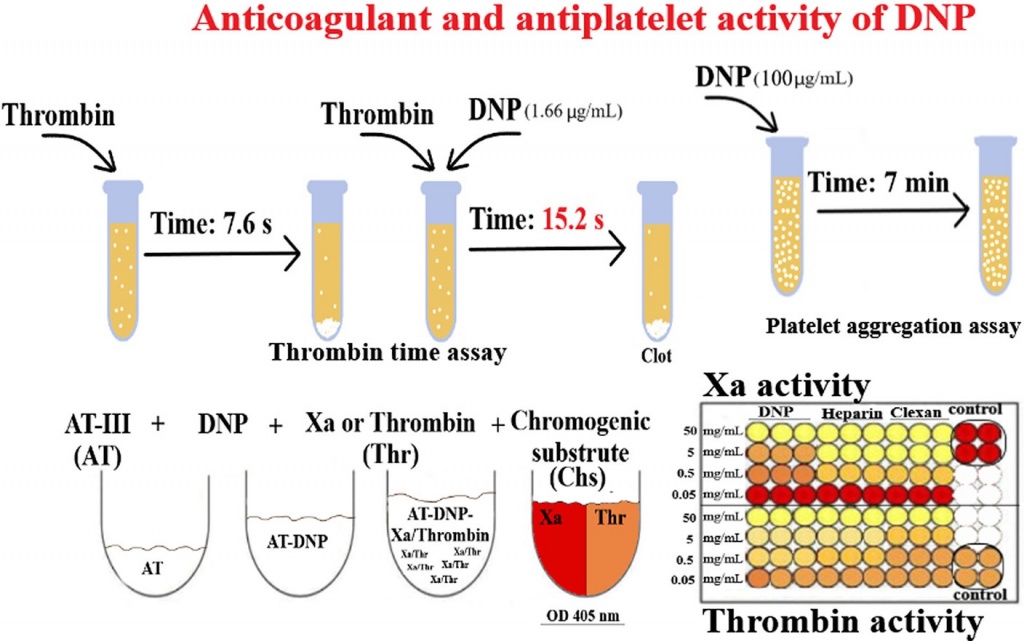
As the project leader notes, studying such compounds not only reveals new mechanisms for regulating hemostasis but also enables the rational use of the biomass of abundant predatory echinoderms in fundamental research.
Such molecules could expand the range of anticoagulants that require more precise coagulation control without significantly interfering with the entire hemostatic cascade. This is a fundamental result for now, and the next step should be additional testing in living organisms to assess the true therapeutic potential of the compound.
The results are published in the journal Carbohydrate Polymers.