


Marine sponge has revealed a way to protect the heart
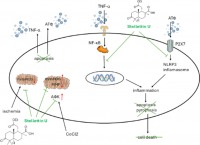
Researchers from the PIBOC FEB RAS, studied nine compounds ‒ stellettins and globostellets ‒ isolated from the Vietnamese marine sponge Rhabdastrella globostellata. Most of them exhibited moderate cytotoxicity, meaning they were rather harmful to cells. However, one substance, stellettin U, demonstrated surprising protective properties.
In experiments on rat cardiomyocytes (heart cells), stellettin U increased their survival under conditions simulating a heart attack: nutrient deprivation, high concentrations of ATP (an energy-transferring molecule), exposure to the proinflammatory cytokine TNF-α, and hypoxia induced by cobalt chloride.
It was discovered that stellettin U works in two ways. First, it reduces the activity of P2X7 receptors, the same receptors that trigger cell death during ischemia by allowing excess calcium ions to enter. Second, it modulates the NF-κB inflammatory pathway, reducing the inflammatory response.
Furthermore, the compound normalized the level of reactive oxygen species (free radicals that damage cells) and prevented the peroxidation of cardiolipin, a crucial component of mitochondrial membranes that serves as an early marker of apoptosis (programmed cell death).
"Stellettin U can protect cardiomyocytes through both the canonical NF-κB-dependent and non-canonical P2X7R-dependent pathways" the authors conclude.
Although stellettin U itself has not demonstrated high toxicity against tumor cells (unlike some of its sponge counterparts), its cardioprotective potential may be of interest for the development of new drugs against coronary heart disease and heart attack. To date, no P2X7 receptor inhibitors have reached clinical trials specifically for cardioprotection, and stellettin U may be a promising candidate for future research.
The results were published in the Journal of Natural Medicines.