


Starfish against cancer: a way to enhance the effectiveness of aggressive tumor therapy has been found
Scientists at the PIBOC FEB RAS have discovered a promising new approach to treating triple-negative breast cancer, one of the most aggressive and difficult-to-treat tumor types. The study showed that a substance isolated from the Far Eastern starfish Solaster pacificus can significantly enhance the action of an existing glycolysis inhibitor.
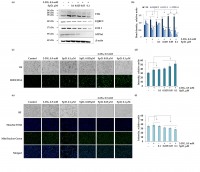
Triple-negative breast cancer is characterized by high "metabolic plasticity": when drugs block one tumor cell fuel source (glycolysis), the cells quickly switch to another (oxidative phosphorylation in the mitochondria), continuing to grow. This is precisely what often thwarts attempts to slow the disease's progression with glycolysis inhibitors, such as 2-deoxy-D-glucose (2-DG). The authors of the article isolated a compound called pacificusoside D from starfish. In experiments with breast cancer cells, they mimicked a clinical situation: first, they treated the cells with a low dose of 2-DG, forcing them to switch to mitochondrial "respiration." Then, they added pacificusoside D.
The result exceeded expectations: the combination of substances almost completely suppressed the cancer cells' ability to form colonies. The mechanism of action was precise and elegant. The marine triterpene glycoside disrupted the mitochondrial proteins responsible for energy production, caused the accumulation of dangerous reactive oxygen species, and triggered a self-destruct program in the cells — apoptosis. Healthy cells suffered significantly less damage.
The scientists emphasize that the study opens the way to new therapeutic strategies using natural marine compounds to "finish off" tumor cells that can evade traditional therapeutic interventions by switching their metabolism.
The results were published in the Marine Drugs.