


Marine lectin boosts antibiotic action against dangerous bacteria
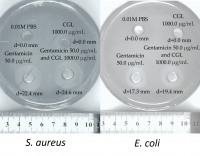
Scientists from the PIBOC FEB RAS, together with colleagues from China and Taiwan, have discovered that a protein from the Pacific mussel Crenomytilus grayanus can enhance the effectiveness of the antibiotic gentamicin. The study showed that when combined, the CGL lectin and the antibiotic achieve synergistic activity against Staphylococcus aureus: the concentration of gentamicin used to suppress the bacteria decreased almost threefold.
Lectins are proteins that recognize carbohydrates on the surface of cells. CGL was previously known to have its own antibacterial effect. In the new study, the scientists elucidated the mechanism of interaction: gentamicin binds to the lectin not through the carbohydrate center, but through a different region of the molecule, enabling a combined attack on the bacteria. Crucially, the effect was confirmed not only in vitro but also in living organisms ‒ on sea urchin embryos infected with staphylococcus. Lectins also demonstrated the ability to destroy biofilms ‒ the protective structures bacteria create to build resistance to drugs. Against staphylococci, CGL destroyed nearly 60% of the already formed biofilm.
According to the researchers, lectins from marine organisms could form the basis for new combination drugs that could reduce antibiotic dosages and more effectively combat resistant infections. This is only the beginning of research in this area, and significant work remains to be done to prove this hypothesis.
The results were published in the International Journal of Molecular Sciences.