


Scientists have developed a safe marine anticoagulant derived from algae
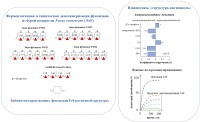
Researchers from the PIBOC FEB RAS have developed a new method for producing effective and safe anticoagulants from brown algae. By studying fucoidan, a natural polysaccharide from the alga Fucus evanescens, the scientists discovered how to reduce its side effects while preserving its therapeutic properties.
Fucoidans are known for their blood-thinning properties, but their use is limited by their high molecular weight and their ability to activate platelets, which can trigger thrombosis. The team compared two methods of molecular weight reduction: enzymatic and chemical (mild acid hydrolysis and treatment with hydrogen peroxide).
It turned out that enzymatic cleavage using specialized enzymes allows for the production of more controllable and active fucoidan derivatives. A short acid treatment (1 hour) also yielded good results. A key discovery was that anticoagulant activity depends not so much on the total content of sulfate groups as on their arrangement within the molecule, with the 2,4-disulfate sites being particularly important.
Furthermore, low-molecular-weight derivatives (less than 10 kDa) do not activate platelets, reducing the risk of thrombosis. The scientists also confirmed that fucoidans primarily affect the intrinsic coagulation pathway, which may mean a lower risk of bleeding compared to some existing drugs.
This study paves the way for the development of new, safer oral anticoagulants based on marine raw materials, which could serve as an alternative to heparin.
The results were published in the International Journal of Biological Macromolecules.
This work was supported by the Russian Science Foundation (grant no. 25-24-00464).