


A new genus and species of algae-degrading bacteria have been discovered
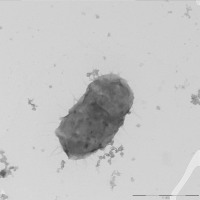
Scientists from the PIBOC FEB RAS, together with colleagues from the NSCMB FEB RAS and the FSCEATB FEB RAS, Far Eastern Branch of the Russian Academy of Sciences, have discovered a new genus and species of marine bacteria capable of degrading complex algal carbohydrates, such as alginate. The microorganism was isolated from the fluid filling the internal cavity of the sea urchin Strongylocentrotus intermedius, caught in the Friza Strait (Kuril Islands) at a depth of 400 meters.
The bacterium was named Algorimicrobium bowmanii. Genetic analysis revealed that it and seven other known species, previously classified in the genus Bizionia, actually form a separate, independent evolutionary lineage. Therefore, the researchers proposed classifying them into a new genus, Algorimicrobium.
Genome analysis of the new strain, KMM 8389T, revealed a unique set of enzymes specialized in the breakdown of algal polysaccharides. Specifically, the bacterium contains genes responsible for the production of glycoside hydrolases (GH13, GH31, GH65) and polysaccharide lyases (PL6, PL7, PL12, PL17), indicating its potential role in the processing of marine plant debris.
This discovery not only clarifies the evolutionary relationships within the Flavobacteriaceae family but also has practical implications. The bacterium ability to degrade alginate, the main component of brown algae cell walls, makes it a promising candidate for biotechnology, such as the processing of marine bioresources or the production of biofuels.
The results are published in the journal Microorganisms.