


New substances with antimicrobial and anti-inflammatory properties from Vietnamese marine fungi
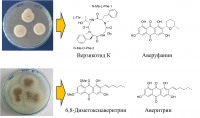
Our researchers, together with colleagues from Vietnam, discovered new biologically active compounds in Aspergillus fungi isolated from Vietnamese sea sponges: a previously unknown peptide called versicotide K and the anthraquinone 6,8-dimethoxyaverythrin.
Of particular interest is versicotide K, which demonstrated cardioprotective activity in experiments on cardiac muscle cells. It protected cells from damage caused by Staphylococcus aureus infection, as well as from the effects of ischemia and inflammation. The scientists suggest that its action may be related to its effect on the enzyme cyclooxygenase-2 (COX2), a key target in the treatment of inflammatory processes.
Another previously known compound, averythrin, demonstrated pronounced activity against S. aureus, inhibiting both bacterial growth and biofilm formation, which is particularly important in the fight against antibiotic-resistant infections.
The antitumor potential of the well-known substance averufanin was also confirmed, showing low toxicity to healthy skin and heart cells, opening up opportunities for its further study in oncology.
The study once again highlights the enormous potential of marine microorganisms as a source of unique compounds for the development of new drugs, including anti-inflammatory, antibacterial, and antitumor ones.
The results were published in the journal Marine Biotechnology.
This work was supported by the Ministry of Education and Science of the Russian Federation (agreement No. 075-03-2025-231).