


Ocean vs. sepsis: Anti-inflammatory marine molecule discovered
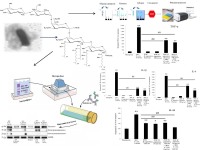
Researchers at PIBOC FEB RAS have discovered a unique molecule in a marine bacterium that can protect human cells from harmful inflammation. The scientists studied the lipooligosaccharide (LOS) of the Kangiella japonica bacterium, which was isolated from the Sea of Japan, and found that this compound has unusual immunomodulatory properties.
Unlike the classic lipopolysaccharide of E. coli, which triggers a strong inflammatory response, the LOS of the marine bacterium virtually activates the immune system at all. Furthermore, it can counteract the harmful effects of the pathogenic molecule by reducing the production of proinflammatory cytokines and inhibiting the activation of caspase-4 — key proteins associated with the development of sepsis.
The LOS molecule has a unique structure: its lipid component contains fewer fatty acids than those of pathogenic bacteria. Thanks to this 'lightweight' structure, the molecule can bind to immune receptors without triggering dangerous inflammation, acting as a natural 'brake' and suppressing excessive immune responses.
This discovery could form the basis for new anti-inflammatory drugs, particularly for treating conditions associated with an excessive response to bacterial toxins, such as septic shock. This study once again confirmed that marine microorganisms are an inexhaustible source of bioactive compounds with unique properties.
The results were published in the Marine Drugs journal.